FAB26
Boston
FAB26
Boston
July 27–31
reimagine the future
reimagine the future
Cambridge, Massachusetts
FAB26 is the 22nd edition of the annual Fab Lab Conference & Symposium, an immersive technosocial conference. Spanning six days, the program thoughtfully balances practical and theoretical content for a diverse group of individuals united by a passion for digital fabrication, technology, and innovation. After a 10-year world tour, the event returns to the Greater Boston Area in July 2026.
This annual event embodies the unique spirit of the fab lab movement, gathering Fab Lab members, makers, educators, artists, academics, industry experts and policymakers. It is far more than just another conference; it is an event where attendees discover, discuss, envision, and build community around digital fabrication, Fab Labs, technology, and innovation. This year, we are celebrating 25 years of the Fab Lab Network and re-imagining the next 25.
1000+
Attendees55
Countries5
Days1
Distributed Festival Aug 1, 2025
FAB26 brings the international Fab Lab community back to its birthplace in Cambridge and Boston. With events across both cities, participants will cross the Charles River's banks to explore all that this historic region has to offer. Daily conference activities center on the MIT campus and Fab Hub Kendall in the Kendall Square innovation district.

Program Tracks

MONDAY: Origins & Futures
Embark on a reflective journey: the story of Fab past, present and future. Explore the origins of the Fab Lab movement at CBA and its global impact through tales of personal growth and community transformation—as well as future visions—from across the network. Agenda
TUESDAY: Tools & Tech
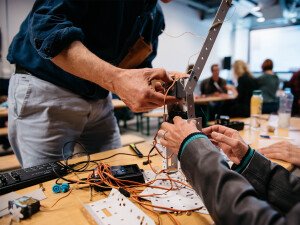
Dive into the emerging tools and technologies that are transforming digital fabrication and reshaping society. From open-source machines to AI, quantum to space tech—what’s next is being made right now. Agenda
WEDNESDAY: Education & Learning
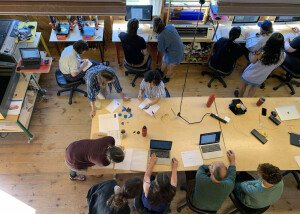
Discover how digital fabrication is changing the way we learn, where we learn, learning models, and credentialing systems. From Academany to K-12 school programs, a new global education paradigm is on the horizon. Agenda

THURSDAY: People & Planet
How can Fab Labs contribute to resilience, regeneration, and global social justice? We will explore how Fab City moves beyond individual projects to rethink how we produce, share, and sustain resources within our own bioregions. Agenda
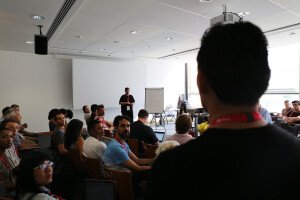
FRIDAY: Systems & Scaling
What will it take to grow and sustain the Fab ecosystem and the impact we make in our communities for the next 25 years? From policy to funding, standards to governance, we will look at big-picture systems and strategies to scale for global impact. Agenda
Schedule
Participate
Applications to volunteer at FAB26 Boston are now open!
Join the team behind the global Fab Lab Conference and help support workshops, talks, logistics, media, festival activities, and more. Volunteers receive a FAB26 Week Pass and the opportunity to connect with makers and innovators from around the world.
Speakers
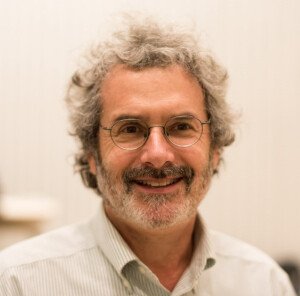
Neil Gershenfeld
Director of MIT's Center for Bits and Atoms
Prof. Neil Gershenfeld is the Director of MIT's Center for Bits and Atoms, where his unique laboratory is breaking down boundaries between the digital and physical worlds, from pioneering quantum computing to digital fabrication to the Internet of Things. Technology from his lab has been seen and used in settings including New York's Museum of Modern Art and rural Indian villages, the White House and the World Economic Forum, inner-city community centers and automobile safety systems, Las Vegas shows and Sami herds.
He is the author of numerous technical publications, patents, and books including Designing Reality, Fab, When Things Start To Think, The Nature of Mathematical Modeling, and The Physics of Information Technology, and has been featured in media such as The New York Times, The Economist, NPR, CNN, and PBS. He is a Fellow of the American Physical Society, has been named one of Scientific American's 50 leaders in science and technology, as one of 40 Modern-Day Leonardos by the Museum of Science and Industry, one of Popular Mechanic's 25 Makers, has been selected as a CNN/Time/Fortune Principal Voice, and by Prospect/Foreign Policy as one of the top 100 public intellectuals.
He's been called the intellectual father of the maker movement, founding a growing global network of over one thousand fab labs that provide widespread access to prototype tools for personal fabrication, directing the Fab Academy for distributed research and education in the principles and practices of digital fabrication, and chairing the Fab Foundation. Dr. Gershenfeld has a BA in Physics with High Honors from Swarthmore College, a Ph.D. in Applied Physics from Cornell University, honorary doctorates from Swarthmore College, Strathclyde University and the University of Antwerp, was a Junior Fellow of the Harvard University Society of Fellows, and a member of the research staff at Bell Labs.
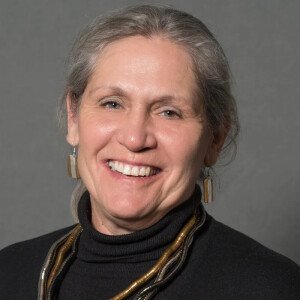
Sherry Lassiter
President & CEO, The Fab Foundation
Sherry Lassiter is one of the architects of the MIT global initiative for field on-site technology development, the Fab Lab program. A Fab Lab, or as users like to call it, fabulous laboratory, is a rapid prototyping platform for technical education, innovation, and personal expression.
The Fab Lab network includes over 2000 digital fabrication facilities in 126 countries. Lassiter is Director of the Fab Foundation, a non-profit organization committed to building technical capacity in a locality, improving individuals’ abilities to develop themselves and their communities and bringing access to tools and knowledge that cultivate and support innovating practices. After a two-decade career in science journalism as a producer, writer, and director for television series such as Scientific American Frontiers, Discover the World of Science, and The Science Times, she became a protagonist in science and technology, becoming part of the story, rather than just telling the story.
As Program Manager for the NSF-funded Center for Bits & Atoms at MIT, she has seen and enabled the personal fabrication movement as it has grown and evolved. Today she serves as Director of the global Fab Lab Program at MIT as well as leading The Fab Foundation, the non-profit spinoff from MIT. Lassiter is currently engaged in the deployment and growth of Fab Labs around the world, enabling grassroots technology development by, for and of the community.
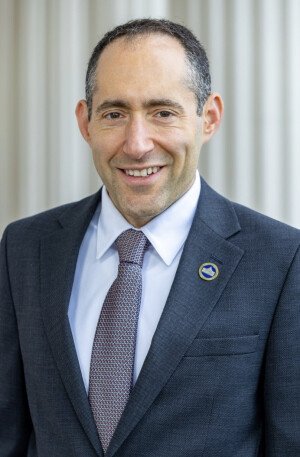
Eric Paley
MA Secretary of Economic Development
Massachusetts Secretary of Economic Development Eric Paley joined the Healey-Driscoll Administration in September 2025. For more than 25 years prior to entering state government, Paley worked to shape the innovation economy as both a successful entrepreneur and a leading venture capitalist. As co-founder and Managing Partner of Founder Collective, Paley helped build one of the world’s highest-performing seed-stage venture capital funds. His investment portfolio includes groundbreaking technology companies across diverse sectors such as transportation, media, healthcare, consumer, advanced manufacturing and enterprise software, including Uber (NYSE), The Trade Desk (NSDQ), Omada Health, Whoop, Formlabs and Airtable. He served on the Board of Directors of The Trade Desk from its founding until 2023, including as a public director after the company’s IPO in 2016. At Founder Collective, Paley also launched Collective Future, an annual Boston conference bringing together Massachusetts’ most influential innovators across technology, government, media, cultural and non-profit sectors to collaboratively shape the future of the innovation economy.
Before Founder Collective, Paley founded and served as CEO of Brontes Technologies, a hard-tech startup that commercialized novel 3D imaging technology to enable advanced manufacturing in dentistry and that spun out of MIT. Paley continued to lead the company after its acquisition by 3M in 2006.
Paley holds an MBA from Harvard Business School and a bachelor's degree from Dartmouth College. He lives in Cambridge with his wife and two children. He previously served on the Board of Directors of the YMCA of Greater Boston and has been engaged in philanthropic efforts primarily to alleviate food insecurity in Massachusetts.
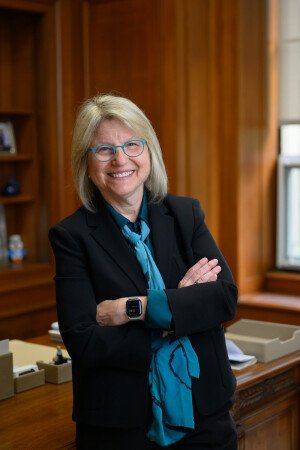
Sally Kornbluth
President of MIT
Since becoming MIT’s 18th president in January 2023, Sally Kornbluth has rallied the Institute community to help solve the great challenges of our time by launching a suite of initiatives to spur bold collaborations in fields from climate change and human health to manufacturing, generative AI, and quantum science and engineering.
Kornbluth has also helped the MIT community navigate an extended period of uncertainty with respect to federal research support. In Washington, she has repeatedly made the case for the vital importance of fundamental discovery science as a pipeline for innovations crucial to the nation's health, prosperity, and national security.
After graduating from Williams College with a BA in political science, Kornbluth made a sharp pivot toward biology: At Cambridge University, she earned a BA in genetics, followed, at Rockefeller University, by a PhD in molecular oncology. In 1994, she joined Duke University as an assistant professor and rose to full professor in 2005, having published extensively on how cancer cells evade programmed cell death and how metabolism regulates the cell death process. The next year, she was chosen as vice dean for basic science at the Duke School of Medicine, a post she held until becoming Duke’s provost in 2014.
Among other honors, she is a member of the National Academy of Medicine, the National Academy of Inventors, and the American Academy of Arts and Sciences.

Marcelo Worsley
Karr Family Associate Professor & Director - tiilt lab
Marcelo Worsley is the Karr Family Associate Professor of Computer Science and Learning Sciences at Northwestern University. His research integrates artificial intelligence and data mining with multimodal interfaces to study and support human learning. He directs the technological innovations for inclusive learning and teaching (tiilt) lab which works with community and industry partners around the world to empower people and organizations through the design and use of equity focused learning tools. These tools include both pedagogical and technological solutions for in school and out of school learning.
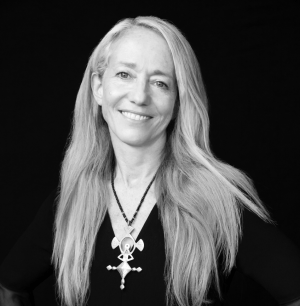
Lara Stein
Founder TEDx, CEO, Founder Regenerative Consulting
Lara Stein is a global movement builder, civic innovator, and systems entrepreneur whose work centers on one question: how do powerful ideas move from inspiration into action, from individual creativity into collective capacity, and from isolated innovation into systems change?
She is best known as the founder of TEDx, the global program that transformed TED from a single conference into a worldwide movement of locally organized events. Under her leadership, TEDx became one of the largest open-source civic and cultural platforms in the world, enabling thousands of communities to convene around ideas worth spreading and giving local organizers the tools, framework, standards, and confidence to create their own stages. TEDx was never simply an events program; it was a participatory architecture for human imagination.
Lara has spent her career at the intersection of storytelling, technology, education, and infrastructure. She understands that movements require both: a story powerful enough to inspire people and a system practical enough to let them participate. Her work has consistently explored how to build models that are rigorous enough to scale, open enough to be locally owned, and trusted enough to endure.
She has held leadership roles and advised across organizations including TED, Singularity University, MIT, Microsoft, and WGBH, helping expand global programs, future-facing learning, technology initiatives, and public-interest storytelling. Today, Lara works across civic innovation, climate and regeneration, AI, education, and social impact, developing initiatives that help communities move from passive concern to active contribution.
Across all of her work, Lara asks: how do we move people from spectatorship to authorship? How do we decentralize systems while maintaining quality, trust, and coherence? Her career has been dedicated to building platforms that activate human potential, trust local communities, and turn powerful ideas into movements.
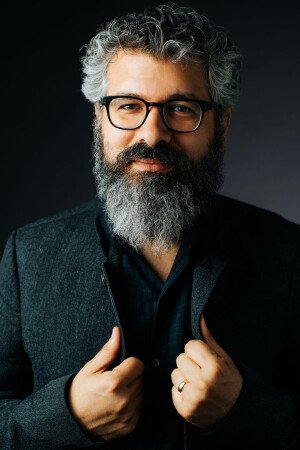
Keeril Makan
Vice Provost for the Arts at MIT
Keeril Makan is vice provost for the arts and the Michael (1949) and Sonja Koerner Music Composition Professor at MIT, where he provides Institute-wide leadership and strategic direction for the arts. He works in close partnership with academic leaders, arts units, and administrative colleagues across the Institute to support artistic inquiry, teaching, scholarship, and public engagement.
A critically acclaimed composer, Makan’s work has been commissioned, recorded, and performed internationally by leading ensembles and institutions. His music has been recorded by the Kronos Quartet, the Boston Modern Orchestra Project, and the International Contemporary Ensemble, and presented at venues including Carnegie Hall, Lincoln Center for the Performing Arts, and Tanglewood. His opera Persona premiered at National Sawdust and has been performed at the Isabella Stewart Gardner Museum and by the Los Angeles Opera; the Los Angeles Times described the score as “brilliant.”
Makan’s honors include a Guggenheim Fellowship and the Luciano Berio Rome Prize from the American Academy in Rome, as well as awards from the American Academy of Arts and Letters, the Fromm Music Foundation, and ASCAP. His work is widely noted for integrating contemporary technology with expressive depth and has been described by The New Yorker as “empowered by modern technology but haunted by a spirit of immemorial darkness.”
Makan joined the MIT faculty in 2006. He has served in a range of academic leadership roles, including Head of the Music and Theater Arts Section and Associate Dean for Strategic Initiatives in the School of Humanities, Arts, and Social Sciences. He has contributed to several Institute-wide initiatives, including the Future of the Arts at MIT and the MIT Human Insight Collaborative.
Trained initially as a violinist, Makan earned undergraduate degrees in music composition and religion from Oberlin College and a PhD in music composition from the University of California, Berkeley.
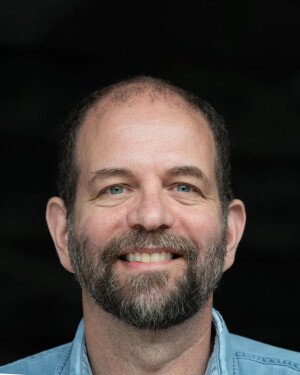
Gill Pratt
Chief Scientist and Executive Fellow for Research of Toyota Motor Corporation (TMC)
Dr. Gill Pratt is Chief Scientist and Executive Fellow for Research of Toyota Motor Corporation (TMC), founding Chief Executive Officer of Toyota Research Institute (TRI), and Executive Advisor of Toyota Central R&D Labs., Inc. (TCRDL).
As TMC Chief Scientist and Executive Fellow for Research and as Executive Advisor at TCRDL, Dr. Pratt helps guide research strategy for TMC and the Toyota Group. At TRI, Dr. Pratt directs research to create new tools and capabilities focused on improving the human condition through research in Energy and Materials, Human-Centered AI, Human Interactive Driving, and Robotics

Nadya Peek
Associate Professor, University of Washington
Nadya Peek develops unconventional digital fabrication tools, small scale automation, networked controls, and advanced manufacturing systems. Spanning electronics, firmware, software, and mechanics, her research focuses on harnessing the precision of machines for the creativity of individuals. Nadya directs the Machine Agency at the University of Washington where she is an associate professor in Human-Centered Design and Engineering.
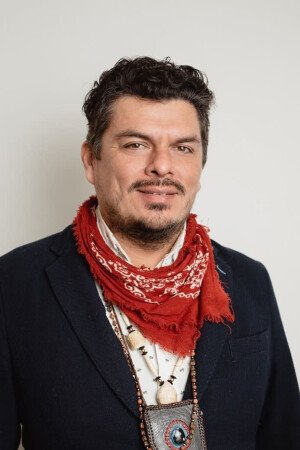
Jean-Luc Pierite
President, North American Indian Center of Boston
Jean-Luc serves as the president of the North American Indian Center of Boston, Massachusetts' oldest urban Indian center. Jean-Luc also serves as the vice president of the Carnival Society of Boston (East Boston, MA) which is dedicated to the promotion of arts and culture through international civic engagement. Jean-Luc also serves as vice president of Brookline for Racial Justice and Equity (Brookline, MA) which is dedicated to systemic change on a local level. Jean-Luc also serves as the secretary of Bvlbancha Public Access (Breaux Bridge, LA) which is dedicated to community-based documentation of the Indigenous Gulf South via digital storytelling.
Jean-Luc is a former MIT MLK Visting Scholar (2023-2025) in the Department of Urban Studies and Planning at the Massachusetts Institute of Technology. Jean-Luc has been awarded with the inaugural LaDonna Brave Bull Allard Science Activist Award at The Global Community Bio Summit which is hosted by the Community Biotechnology Initiative at the MIT Media Lab. He is also part of the Global Community Bio Fellows 3.0 to grow the movement of grassroots life sciences and research, and participates in the BIPOC Makers Collective as supported by Nation of Makers. Jean-Luc previously served as co-convener for the Institute for Collaborative Language Research (CoLang) which fosters relationships between academics and community language activists.
Jean-Luc is currently a Ph.D. student in the Indigenous Studies program at the University at Buffalo - SUNY. Jean-Luc has earned a Master in Design for Emergent Futures from the Institut d'Arquitectura Avançada de Catalunya in Barcelona, Spain. Jean-Luc also earned a Bachelor of the Arts in Humanities with a co-major in Mass Communication and Japanese from Dillard University in New Orleans, Louisiana. Jean-Luc also earned an Associate of Science in Video Game Design from Full Sail University in Orlando, Florida.
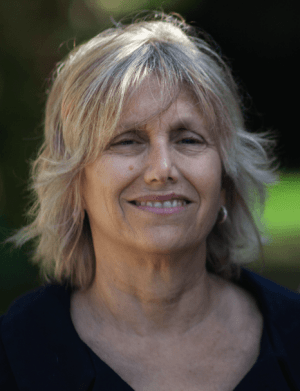
Janet Zucker
Producer, Zucker Productions & Founder/Co-Chair of Science & Entertainment Exchange
Janet Zucker has been producing and managing in the entertainment business for over four decades. Janet co-runs Zucker Productions with her husband, writer/director Jerry Zucker. Productions of theirs include DEAR DUMB DIARY, based on Jim Benton’s best-selling book series, MENTAL, starring Toni Collette and Liev Schreiber, FAIR GAME, starring Sean Penn and Naomi Watts, FRIENDS WITH BENEFITS, starring Mila Kunis and Justin Timberlake, and RAT RACE, directed by Jerry and released by Paramount Pictures. Janet’s upcoming slate includes JAGUAR, an adaption of Alan Rabinowitz’s Jaguar: One Man’s Struggle to Establish the First Jaguar Preserve, with Silent Films; David Sigal & Richard Corman’s AS YOU ARE documentary on transgender troops’ ability to serve in the US military; and the TV series BETTER LUCK BOB with Jonathan Krisel directing and Bobby Cannavale starring. Janet is also a passionate advocate for stem cell research. In 2004, she and Jerry, along with two other families, started Proposition 71, the California Stem Cell Research and Cures Initiative. Janet is the President of CuresNow, a non-profit organization dedicated to supporting stem cell research. She is also a founder and co-chair of THE SCIENCE & ENTERTAINMENT EXCHANGE and has been inducted into the National Academy of Sciences’ Einstein Society. Jerry and Janet Zucker are co-founders of “Eyes Up”, a new US-based initiative using the power of the entertainment industry to broaden public understanding of the rising threat social media addiction and AI dependency pose to young minds.

Chris Bathgate
Sculptor
Chris Bathgate is a self-taught machinist and machine builder. He has spent twenty-five years engineering myriad metalworking tools to create intricately machined sculptures that defy easy classification. Through his work, the artist has vigorously explored the idea of “machine-work” as an active industry, vocation, and craft medium that has resisted artification for well over a century. He has coined the term “studio machining” to both define his practice, and describe an emerging field within the fine arts.
His works are fundamentally engineered, every detail methodically designed from the ground up. They illustrate that creativity alone does not drive human imagination, but that inspiration comes from the need to identify and overcome technical challenges. By combining the math and logistics of modern machine work with an emotive problem-solving ethic, the artist bends the physical constraints of his medium to an aesthetic that plays on ideas of utility and ambiguous design intent. The result is precise and other worldly art objects that exude a creative logic all their own.
Chris is a Center for Art, Science & Technology artist in residence and author of the book The Machinist Sculptor: Industry Meets Craft, which explores the history of Machine work and its evolving status as a fine art craft, through the lens of his pioneering sculpture practice. It serves as a contemporary reflection on the modern state of craft, and a historical corrective to the technological dogmas that emerged during the studio craft movements of the 20th century.
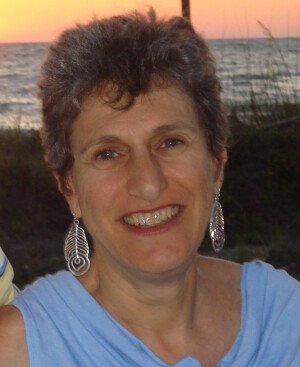
Ann Berger Valente
Educational Research Manager
Ann Berger Valente is a researcher at the Lifelong Kindergarten group of the MIT Media Lab. Her work focuses on supporting the Brazilian Creative Learning Network, an organization that brings together thousands of teachers, artists, researchers, decision-makers, families, and students from across Brazil to support and promote more creative and relevant public education for all. Previously, she conducted monitoring and evaluation of educational and social development programs for UNESCO, Nike Foundation, LEGO Education, and Intel Education. She has over 40 years of experience using digital technology as a tool to expand learning opportunities in special education, regular K-12 education, and teacher professional development. Ann began using computers in the original LOGO Lab at MIT under the direction of Seymour Papert. At the time, she was involved in a project using LOGO with cerebral palsied children. She received a M.Ed. in educational technology from the Harvard School of Education and a Ph.D. in Medical Sciences from the University of Campinas in Brazil.

Jean-michel Molenaar
Director of deployment and IT
JMM is responsible for the Fab Foundation's lab deployments, it's IT infrastructure, and manages Fab Futures. He believes in the transformative power of Fab Labs and their global community, and loves cutting edge technology and long walks in the mountains.
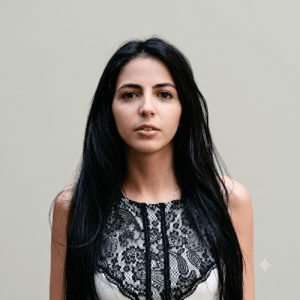
Norella Coronell
Director of Communications
With expertise spanning the tech and nonprofit sectors, Norella is a seasoned marketing, networking, and communication director as well as an event producer and manager . Holding a Fab Academy Diploma in Digital Fabrication, a Master's Degree in Project Management, and a Bachelor's Degree in Product Design, Norella brings a multidisciplinary perspective to every endeavor, combining creativity with strategic execution.
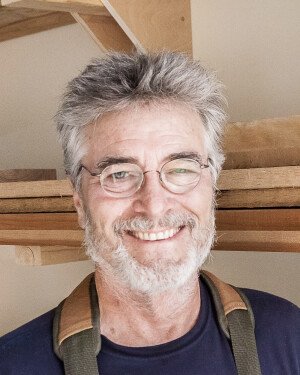
Tom Bodett
Hatchspace Founder
A lifelong carpenter and woodworker in addition to his successful 40-year career in publishing and broadcasting, Tom Bodett devotes himself to serving the rural communities in which he has lived, and has always lived. In October of 2018 Tom Bodett co-founded the HatchSpace woodworking school and community workshop in Brattleboro, VT. He has not been heard from again. Until today.
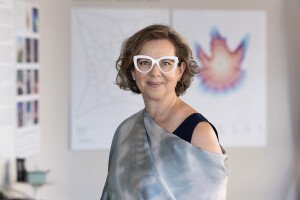
Janet Echelman
Artist
Janet Echelman sculpts at the scale of buildings and city blocks, creating large-scale, fluid installations that merge art, architecture, and engineering to anchor public spaces across five continents five continents. Her work transforms with wind and light, inviting viewers into immersive experiences rather than static observation. Echelman uses unlikely materials—from atomized water particles to fiber stronger than steel—blending traditional craft with advanced computational design. Echelman’s unconventional path includes five years living in a Balinese village, graduate studies in both painting and psychology, and teaching at MIT, Harvard, and Princeton. Oprah ranked Echelman’s work #1 on her List of 50 Things That Make You Say Wow!, and she received the Guggenheim Fellowship, and the Smithsonian American Ingenuity Award in Visual Arts, honoring “the greatest innovators in America today.”
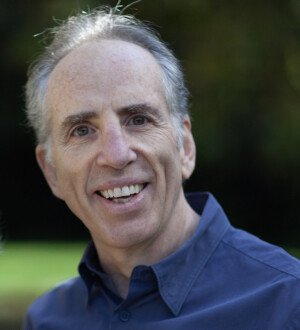
Jerry Zucker
Writer/Director, Zucker Productions & Founder/Co-Chair of Science & Entertainment Exchange
Jerry Zucker began his career in collaboration with his brother, David Zucker, and Jim Abrahams. The team wrote and produced KENTUCKY FRIED MOVIE, wrote and directed the comedies AIRPLANE! and TOP SECRET!, and the television series POLICE SQUAD! They also directed the comedy RUTHLESS PEOPLE and wrote and produced THE NAKED GUN. Jerry also directed GHOST, FIRST KNIGHT and RAT RACE. As a producer, his work includes: MY BEST FRIEND’S WEDDING, A WALK IN THE CLOUDS, MY LIFE, FAIR GAME, FRIENDS WITH BENEFITS, MENTAL, and DEAR DUMB DIARY. Jerry’s currently working on INTERMISSION!, a stage musical. In 2004, he and Janet started Proposition 71, the California Stem Cell Research and Cures Initiative that raised three billion dollars for stem cell research in California. In 2008, Jerry and Janet launched The Science and Entertainment Exchange in collaboration with the National Academy of Sciences in Washington D.C. and still serve as co-chairs. Jerry and Janet Zucker are co-founders of “Eyes Up”, a new US-based initiative using the power of the entertainment industry to broaden public understanding of the rising threat social media addiction and AI dependency pose to young minds.
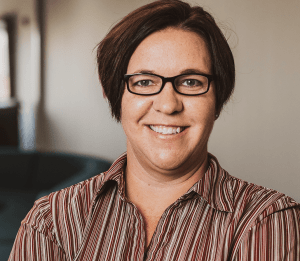
Liz Whitewolf
Founding Director eduFAB
Dr. Liz Whitewolf is the founder and director of eduFAB, an educational consulting organization dedicated to research-backed, strategic, and equitable integration of digital fabrication and makerspaces in K–12 education internationally. Through eduFAB, she partners with schools, districts, museums, governments, and educational organizations to support makerspace planning, curriculum development, professional learning, network building, and long-term implementation strategies. She also founded and leads the annual Fab Educators Summit, a free global gathering that connects educators, researchers, and practitioners working at the intersection of digital fabrication and education.
Liz previously served as K–12 Education Director for Fab Foundation and as Senior Director of STEM Education at Carnegie Science Center. A 2016 graduate of Fab Academy, she established an educational Fab Lab in Pittsburgh and later expanded the program to include two mobile Fab Lab units in addition to a museum-based makerspace. Earlier in her career, she worked as a classroom teacher and out-of-school-time educator specializing in robotics, computer programming, and engineering.
Liz earned her Ed.D. in STEM Education from the University of Pittsburgh, where her research focused on supporting K–12 teachers in meaningful digital makerspace integration. She currently serves as a global instructor and Executive Board member for Fab Learning Academy, an international credentialing program for educators using digital fabrication in K–12 settings. She is also an adjunct faculty member in STEM at American College of Education and serves on the board of Prototype, a feminist makerspace in Pittsburgh, Pennsylvania.

Kenny Cheung
Research Scientist NASA
Kenneth Cheung serves as technical lead for advanced materials, robotics, and manufacturing at the NASA Ames Research Center (ARC) Intelligent Systems Division. His research group, the Coded Structures Laboratory, develops algorithmic structural systems and robotics to enable mission-adaptive autonomous systems for aeronautical and space applications. Current projects include infrastructure for Moon and Mars science and human exploration missions.
Before joining NASA, Kenny received his PhD from the Center for Bits and Atoms at MIT, where he demonstrated how mechanical metamaterial design and manufacturing strategies can create record-setting stiff, strong, and lightweight materials, as well as shape-universal robotic systems. He also holds a degree in Architecture from Cornell, where he explored emergent behavior in distributed systems. His work includes papers and patents on topics ranging from composite manufacturing systems to biomolecular fabrication algorithms and surgical robots.
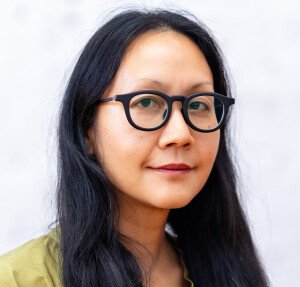
Nepal Asatthawasi
Co-Executive Director, Mechanism
Nepal Asatthawasi is Co-Executive Director of Mechanism (formerly the Urban Manufacturing Alliance), where she leads national work at the intersection of manufacturing, economic development, and equity, helping cities and regions build local production ecosystems that keep resources, skills, and value circulating locally.
In Western North Carolina, in the aftermath of Hurricane Helene, that meant convening 66 food and beverage manufacturers and regional leaders through a Mechanism Local Lab, a community-driven process for co-designing strategies with a region's manufacturing sector, to figure out how to rebuild local production in ways that honored community values rather than chasing market recovery alone. Similar Local Labs, with makerspace leaders in Dayton, Ohio and community developers in South Los Angeles, treat the workshop and factory floor as core infrastructure of a bioregion's operating system.
She also advises 3x3, a design and research firm that centers people and communities, partnering across sectors to co-design programs and systems that advance community wellbeing, regenerative environments, and beloved economies. Previously, she was Director of Development and Operations at the Pratt Center for Community Development and helped launch The Action Lab, convening organizers and cultural producers to reimagine democratic engagement. She's also a longtime advisor to AGO, supporting human rights NGOs in Southeast Asia to scale their impact.
Nepal's board service reflects that same commitment to place. She sits on the board of Mid Hudson Energy Transition, which builds community-owned renewable energy where she lives in the Hudson Valley; is a founding board member of At Play Rhinebeck, a local playspace for children and families; and serves on the board of Engage Thailand, advancing the democracy and human rights movement in her home country.
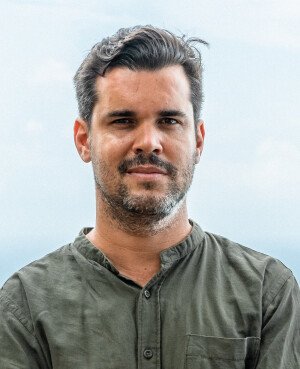
Tomas Diez Ladera
Executive Chair, Fab City Foundation
Tomas Diez is a Venezuelan urbanist, designer, and technologist working at the intersection of cities, fabrication, and the future of production. Born in La Victoria, Aragua, and shaped by the social and economic transformations of late-20th-century Venezuela, he treats technology not as an end in itself but as infrastructure for community resilience and urban autonomy.
He is Founder and Chairman of the Fab City Foundation, coordinating a global network of cities committed to becoming locally productive and globally connected. He co-founded Fab Lab Barcelona at IAAC — one of the world's pioneering digital fabrication laboratories — and has collaborated closely with MIT's Center for Bits and Atoms and the Fab Foundation in building the international Fab Lab network.
He also co-founded Meaningful Design Group and Fab Lab Bali, and launched graduate programs including the Master in Design for Emergent Futures and the Master in Design for Distributed Innovation — training designers to work with complexity and emergence. His work on Smart Citizen, an open-source environmental sensing platform, was recognized by The Guardian and Nesta as one of the world's top digital social innovations. He has lectured from TEDx stages to the UN, and writes on the circular economy, digital fabrication, and urban futures.
Tomas holds degrees in Urban Planning from Universidad Simón Bolívar, a Diploma in Social Work from the University of Havana, and a Master in Advanced Architecture from IAAC Barcelona.
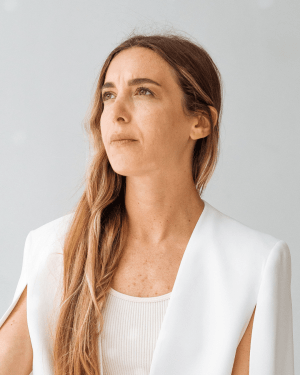
Josefina Nano
Programs Lead, Fab City Foundation
Josefina Nano is an architect and designer working at the intersection of design, research, and urbanism. As Programs Lead at Fab City Foundation, she develops international programmes that advance distributed innovation, support locally productive and regenerative economies, and connect the global maker, education, and innovation communities. Her work bridges research and practice to address environmental and social challenges through collaborative, place-based approaches.

John Glass
Synthetic Biology Professor, J. Craig Venter Institute
John Glass is a Professor in the J. Craig Venter Institute (JCVI) and JCVI La Jolla Campus Director. Glass’s research team created a minimal bacterial cell with a genome comprising only the essential genes necessary for life called JCVI-syn3.0. This simplest of all microbes encodes genes from the caprine pathogen, Mycoplasma mycoides. Glass’s JCVI team as well as more than 90 other research teams are using this cell to investigate the first principles of cellular life. Additionally, from the lessons learned through building a synthetic cell with a minimal gene set JCVI synthetic biologists hope to design and create cells with properties that address human needs. Glass also directs JCVI teams that are investigating how viruses defeat antiviral components of the human innate immune system, developing a new treatment for type I diabetes based on the human skin microbiome, developing new methods for synthesis of human artificial chromosomes, and constructing large genome bacteriophage that encode gene sets to enable their use as antibacterial therapeutics. Glass earned his undergraduate and doctoral degrees from the University of North Carolina at Chapel Hill. Before joining the JCVI in 2003, he worked in the Infectious Diseases Research Therapeutic Area at Eli Lilly from 1998-2003.

Jinger Zeng
Community Manager, Seeed Studio
Jinger Zeng is a multidisciplinary engineer, community organizer, and open technology advocate working at the intersection of digital fabrication, AI, open-source hardware, and community-led innovation. With a background in mechanical engineering and entrepreneurship, she has spent more than a decade building global ecosystems that connect makers, researchers, startups, artists, and educators. Her career has spanned organizations including Dronesmith Technologies, PX4, the Dronecode Foundation, Auterion, Wikifactory, Hackster.io, Seeed Studio, and the Edge AI Foundation, where she has led international programs in robotics, Edge AI, digital manufacturing, and startup acceleration. Passionate about the Fab movement's vision of "making almost anything," Jinger explores how emerging technologies can strengthen local resilience while preserving cultural knowledge and craftsmanship. Her work bridges disciplines through workshops, community building, and creative experimentation, demonstrating how AI, digital fabrication, and open collaboration can empower communities to become active creators of technology.
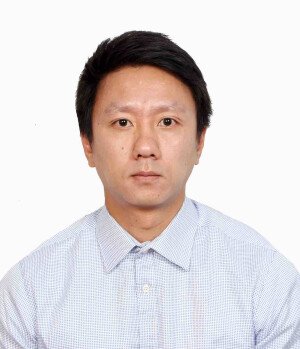
Phuntsho Namgay
Director of Innovation and Technology, DHI
Phuntsho Namgay is the Director of the Department of Innovation and Technology, DHI. Under this role, he leads the department’s efforts in developing Bhutan’s Innovation Ecosystem for tech-based and a start-up economy by leveraging Research & Development for technology with values. With an MBA from the Australian Graduate School of Management, his experience ranges from Grass Root Innovations to Ecosystem building. He hopes to use his experience and efforts to contribute to his Majesty the Fifth’s vision of a transformed Bhutan.
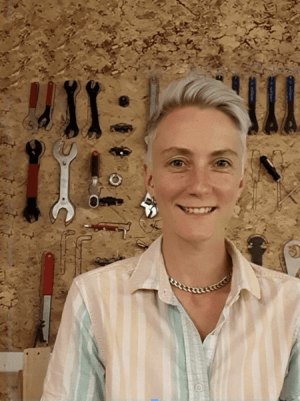
Lars Petrova Taylor
Network Lead Fab City | Maker | Community Activator
I work with humans, non-humans, places, and ideas to turn good intentions into shared action. My practice sits between maker culture, community activation, and systems-level thinking, using hands-on making as a way to connect people and move projects forward.
I work at both local and international levels, from coordinating Fab City networks to designing and leading creative learning and maker space programmes across Europe. Earlier in my career, I spent over a decade working alongside under-represented communities, which continues to shape how I lead, facilitate, and collaborate. I prioritise the celebration of equity and diversity over acceptance and design this into everything I do.

Alan Gershenfeld
President and Co-Founder of E-Line Media
Alan is President and Co-Founder of E-Line Media, a developer and publisher of video games with meaningful themes and authentic voices. E-Line’s games include the BAFTA and Peabody winning Never Alone (Kisima Ingitchuna), Jackson-Wild award winning Beyond Blue, Gamestar Mechanic and MinecraftEdu.
Alan has also worked on impact game projects with the Gates, MacArthur and Ford Foundations, White House OSTP, NSF, BBC, USAID, DARPA, Cook Inlet Tribal Council, Games for Change, Google, Sesame Workshop, MIT Center for Bits and Atoms, ASU and other organizations.
Prior to E-Line, Alan was Chairman of the Board of the nonprofit Games for Change and SVP Activision Studios, where he was a member of the executive management team that rebuilt Activision from bankruptcy into an industry leader. At Activision, Alan supervised product development at the company's LA studio. Titles released under his leadership include Civilization: Call to Power, Muppet Treasure Island, Mechwarrior 2, Asteroids 3D, Spycraft, Shanghai, Pitfall, Zork and Tony Hawk Skateboarding. Before Activision, Alan spent nearly ten years in the film industry where he worked in development, production and post-production roles on numerous feature films and documentaries.
Alan currently serves on the Board of Directors for the Impact Guild and Advisory Board for Playing for the Planet, FilmAid International, Breakthrough T1D Play, and Materiom. He was previously on the Advisory Board of PBS Next Generation Media, the Joan Ganz Cooney Center at Sesame Workshop, iCivics and ASU Center for Games and Impact. Alan has served as a US State Department Arts Envoy, is Co-Founder of Experimental Design and Endless Studios ,and Co-Author of Designing Reality: How To Survive and Thrive in the Third Digital Revolution.
Alan is the first recipient of the Games for Change 'Hall of Change' Lifetime Achievement Award.

Camron Blackburn
Postdoctoral Researcher, CBA
Camron Blackburn is a postdoctoral researcher at MIT's Center for Bits and Atoms, where she develops ultra-low-power computing systems built from adiabatic superconducting circuits. Her work spans the full compute stack, from low-level device physics to workload-specific architecture modeling, with the goal of redefining energy-efficient computation for AI and other demanding workloads. She completed her PhD at MIT, where her doctoral research was jointly advised by Prof. Neil Gershenfeld in the Center for Bits and Atoms and Prof. Karl K. Berggren in the Quantum Nanostructures and Nanofabrication group, with an additional graduate research appointment at MIT Lincoln Laboratory in the Quantum-Enabled Computation Group. She is spinning this research out into Adiabatic Machines, a startup she cofounded to build next-generation computers operating near the fundamental limit of energy efficiency.
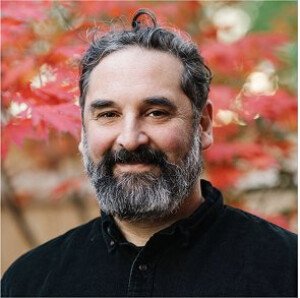
Ben Vigoda
CEO, Gamalon, Inc. and Research Affiliate, MIT Design Intelligence Lab
Ben Vigoda currently works on developing AI architectures for continuous learning, sample efficiency, asymptotically unlimited context windows, and long-term planning. He is the CEO of Gamalon, Inc. and Research Affiliate in the MIT Design Intelligence Lab. Previously, he was CEO and Co-Founder of Lyric Semiconductor which created the first tensor processing units (machine learning processors and compilers) and was acquired by Analog Devices. He is a Kavli National Academy of Sciences Fellow and serves on the DARPA Information Science and Technology Study Group. He co-founded the nonprofit Design That Matters, developing technology for underserved communities. He has authored over 120 patents and academic publications, and his work has been featured in the Wall Street Journal, New York Times, EE Times, Scientific American, Wired, TechCrunch, TEDx, and other media.
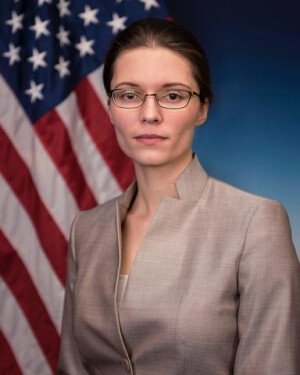
Elizabeth Strychalski
Staff Scientist and Group Leader
Dr. Elizabeth A. Strychalski received a B.S. in Physics and a B.A. in Religious Studies from the University of Rochester and M.S. and Ph.D. in Physics from Cornell University. She was awarded a National Research Council Postdoctoral Research Associateship at the National Institute of Standards and Technology (NIST) in the areas of nanofabrication, nanofluidics, and confined biopolymers. Dr. Strychalski served as a Program Manager in the Biological Technology Office (BTO) at the Defense Advanced Research Projects Agency (DARPA), where she managed a portfolio to aggressively advance experimental and theoretical research at the interface of synthetic biology, control engineering, nanobiotechnology, and fluidic devices. Upon returning to NIST, she founded the Cellular Engineering Group, as part of NIST’s Engineering Biology Program, and serves on the Steering Group for Build a Cell. Her current research focuses on discovering and testing fundamental rules to predict and control the engineered biological systems, such as minimal and synthetic cells.
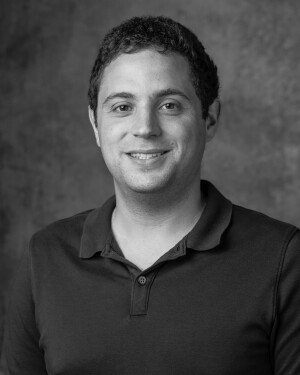
Max Lobovsky
Co-Founder and CEO of Formlabs
Max Lobovsky is co-founder and CEO of Formlabs. Formlabs pioneered professional desktop 3D printing with the first affordable stereolithography (SLA) printer and later made industrial selective laser sintering (SLS) technology accessible, growing into the largest professional 3D printing company founded since the 1980s. Prior to starting Formlabs, Lobovsky led the efforts at Fab@Home, one of the industry’s earliest open-source 3D printing projects, which has been instrumental in setting up labs in schools worldwide. A Forbes’ 30 Under 30 recipient and World Economic Forum Pioneer, Lobovsky holds a B.S. in Applied Engineering and Physics from Cornell University and a M.S. in Media Arts and Sciences from MIT.
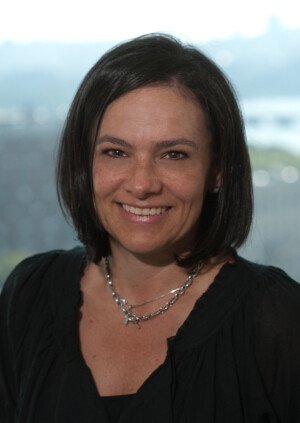
Dr. Claudia Urrea
Head of MIT pK-12 Initiative
Dr. Claudia Urrea is the Head of the MIT pK-12 Initiative. For the past 25 years, Dr. Urrea has helped multiple governments and non-governmental agencies to empower and support schools and communities of learners to evolve from traditional teaching methods into progressive learning environments. Over the last ten years, she has worked in different initiatives such as the Institute-wide Task Force on the Future of MIT Education, the MIT Online Education Policy Initiative, and the MIT Jameel World Education Lab (J-WEL). She also led the creation of a STEAM laboratory school in Belize in collaboration with the Ministry of Education. In addition, Dr. Urrea founded the MIT STEAM camp, which brings MIT’s learning approach to middle school students and teachers in international locations, and co-founded Full STEAM Ahead, a virtual archive and program that combines hands-on exploration, project design, and skill building in STEAM subjects.
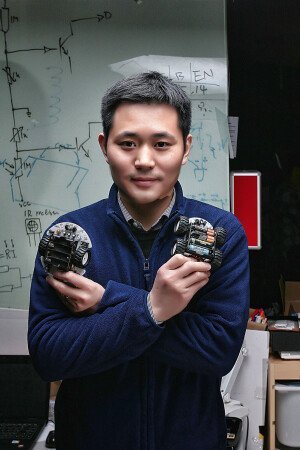
Ricky Ye
Founder and CEO of DFRobot
Founder and CEO of DFRobot, holds a Ph.D. in Robotics. With over a decade in open-source hardware and maker education, he upholds the "Empower Creation" philosophy, lowering creation barriers through tech and tool innovation to help more people realize their ideas. He has led the team to build a world-leading open-source hardware and STEM education ecosystem, and DFRobot’s STEM education products now reach over 200 countries, serving 40,000+ teachers and millions of students globally.

Mary Lou Jepsen
Founder & Executive Chairman Openwater; + Founder Pixel Qi, OLPC & MicroDisplay
Mary Lou Jepsen is an American technologist and entrepreneur in the field of medical technology and computational imaging. She is the founder and Executive Chairman of Openwater.[1][2]
Jepsen is known for her pioneering work in the design and commercialization of display, projection and imaging systems. Her contributions include laptops, projection displays, televisions, screens, touch-enabled systems, holographic and light-field displays, and other immersive visual technologies.[3]
She has held research, and executive engineering roles at the MIT Media Lab, Google, Meta (Facebook), Intel. She was also the co-founder, chief technology officer and Chief Architect of the former nonprofit initiative One Laptop per Child.
Alfonso Parra Rubio
PhD candidate at MIT's CBA
Alfonso Parra Rubio is a PhD candidate at MIT's Center for Bits and Atoms, directed by Neil Gershenfeld. His research investigates how folding and discrete assembly can be combined to design and manufacture architected materials across scales: from bulk cellular materials at the millimeter to centimeter range, to structural corrugations and actuated systems at the centimeter to meter range, up to architectural shell structures spanning meters to decameters. Central to his work is the idea of geometry not merely as a description of structure but as its method, shaping how materials and structures are designed, engineered, manufactured, and assembled.
Alongside his academic work, he founded RnKolektive, a collaborative platform for sculptural exploration that focuses on mixed-media pieces merging folding techniques with blown glass, applying the same research contributions toward more expressive ends.
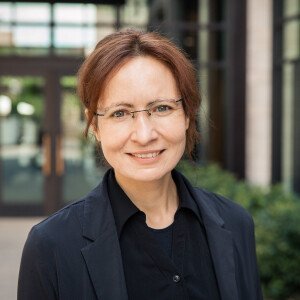
Kate Adamala
Fellow Associate Professor at the University of Minnesota
Kate Adamala is McKnight Presidential Fellow Associate Professor at the University of Minnesota.
Her research focuses on synthetic cell engineering, with the aim of understanding chemical principles of biology, using artificial cells to create new tools for bioengineering, medicine, and foundational research. The interests of the lab span questions from the origin and earliest evolution of life, using synthetic biology to colonize space, to the future of biotechnology and medicine. Kate is a co-founder of the Biotic, a non-profit supporting synthetic cell engineering, the leader of the BioBOLD Initiative, and co-founder and coordinator of the international synthetic cell engineering consortium Build-a-Cell. Lab info protobiology.org.
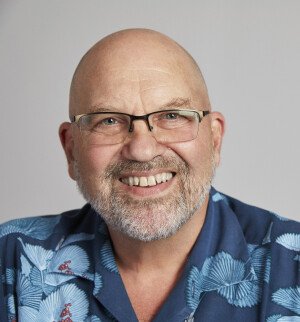
Marc Raibert
Executive Director of the RAI Institute and Founder of Boston Dynamics
Marc Raibert is the Executive Director of the Robotics and AI Institute (RAI Institute) and founder of Boston Dynamics. He is a life-long roboticist, starting his career over 50 years ago as a graduate student at MIT. He spent 18 years as an academic researcher and tenured faculty at JPL, CMU, and MIT. He founded Boston Dynamics in 1992 and spent 30 years as CEO and Chairman creating dynamic robots such as BigDog, Spot, and Atlas. In 2022 Raibert founded the RAI Institute, a research lab working on the intersection of robotics and AI. Raibert is a member of the National Academy of Engineering, was a founding member of AAAI, named Pioneer in Robotics by IEEE in 2022, received the Engelberger Award in 2022, and received the IEEE Robotics and Automation Award in 2025. Two of Raibert’s robots were inducted into the Robot Hall of Fame in 2008 and 2012.
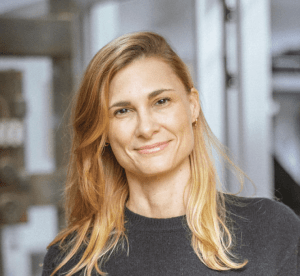
Luciana Asinari
Global Coordinator Fab Academy
Luciana Asinari is Educational Programs Lead at Fab Lab Barcelona, where she manages the formal Educational offer (Master in Design for Emergent Futures, the Fab Academy, Textile Tech Incubator, and Fabricademy). She has also been, since 2014, the Global Coordination of the Fab Academy Diploma worldwide. Luciana’s primary interest is the impact of digital fabrication tools in education and the implementation of distributed educational models within the Fab Lab Network. Where students, mentors, and faculty are connected globally for content sharing while working locally to prototype their ideas
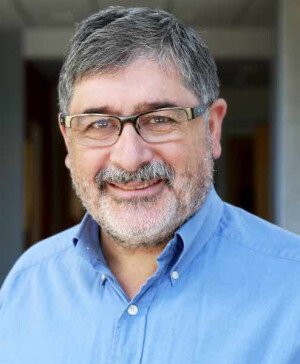
Joel Cutcher-Gershenfeld
Professor and Florence G. Heller Chair
Joel Cutcher-Gershenfeld is Professor and Florence G. Heller Chair in the Heller School for Social Policy and Management at Brandeis University, where he leads research on agile institutions in the 21st Century. He is presently serving as the Director (interim) of the Sillerman Center for Advancing Philanthropy. Joel teaches classes in strategy, operations, negotiations, and AI in healthcare.
Before coming to Brandeis, Joel served as a Professor and Dean in the School of Labor and Employment Relations at the University of Illinois, Urbana-Champaign, and as a faculty member in what was formerly MIT’s Engineering Systems Division. He is past president of the Labor and Employment Relations Association. Joel holds a Ph.D. in industrial relations from MIT and a B.S. in industrial and labor relations from Cornell University.
Joel is an award-winning author who has co-authored or co-edited fourteen books, including The Consortia Century: Stakeholder Alignment for Transformational Change (Oxford University Press, 2025); Heller Social Impact Case Collection (Brandeis University Press, 2024; Designing Reality: Surviving and Thriving in the Third Digital Revolution (Basic Books, 2017); Inside the Ford-UAW Transformation: Pivotal Events in Valuing Work and Delivering Results (MIT Press, 2015); Lean Enterprise Value (Palgrave, 2002); Knowledge-Driven Work (Oxford University Press, 1998); and Strategic Negotiations (Harvard Business School Press, 1994). Joel is also the author or co-author of over one-hundred articles, book chapters, and policy papers on new technology, high performance work systems, labor-management partnership, negotiations, conflict resolution, economic development, equity, sustainability, and institutional transformation. He has facilitated large-scale change initiatives in public and private Sectors in Australia, Bermuda, Canada, Denmark, England, Iceland, Jamaica, New Zealand, Panama, and the United States.
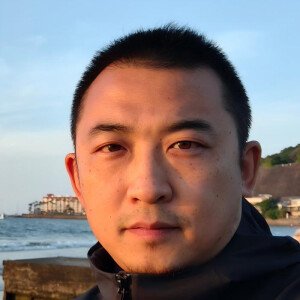
Eric Pan
CEO, Seeed Studio
Eric Pan, founder and CEO of Seeed Studio since 2008, has pioneered open hardware solutions for millions of developers globally while establishing Chaihuo makerspace in Shenzhen and organizing Maker Faire Shenzhen, all part of his mission to democratize technology and empower communities to build localized solutions through physical AI and edge computing.

Daniel Cevallos Andrade
Sonic Field
Architect | New Media Artist | Inclusive Innovation Designer | Founder of Temporary Atmospheres | Expert in Phygital Urbanism, HCI & Spatial Equity
Architect, researcher, and inclusive design strategist using my lived experience as a visually impaired person to reimagine the built environment. I turn limitations into tools of insight—designing responsive, phygital environments where urban space and digital intelligence converge to serve all.
As founder of Temporary Atmospheres, an experimental studio based in NYC & Quito, I lead transdisciplinary teams to prototype immersive installations, kinetic architecture, and human-computer interfaces for public impact. My work focuses on transforming cities into platforms for co-creation, equity, and accessibility using generative design, sensory data, and adaptive systems.
Creator of the Hyper-connector, one of the first urban phygital prostheses, I push the boundaries of urban interaction and spatial empathy. My work has been exhibited at the Venice Climate Change Pavilion -- Biennale, Ars Electronica NYC, Queens Museum, and Shenzhen BI-City Biennale, and I collaborate with institutions on inclusive innovation, smart cities, and digital public infrastructure.
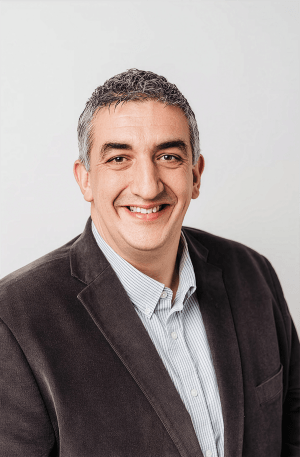
Michael Stone
VP, Innovative Learning for PEF
Michael Stone is an educational innovator and systems builder who has spent the past decade working to scale constructionist, hands-on learning through K-12 FabLabs.
As Vice President of Innovative Learning for Public Education Forward and co-founder of devX,LLC in Chattanooga, TN, Michael leads initiatives that help schools move beyond isolated innovation programs and create sustainable ecosystems for creativity, digital fabrication, engineering, computer science, and workforce development. Through partnerships with Volkswagen Group of America, Ford Philanthropy, school districts, and community organizations, he has led the development of more than 108 FabLabs in K-12 schools across multiple states, creating innovative learning opportunities for tens of thousands of students each year.
Michael's work focuses on one central question: How can we leverage FabLabs and constructionism to empower K-12 students to develop the technical and essential skills necessary for success? His efforts have centered on developing scalable models for educator training, leadership development, industry partnerships, student credentialing, and community-supported innovation.
A former mathematics and computer science teacher, Michael works with educators and leaders across the United States to reimagine how schools prepare students for a rapidly changing world. His work bridges the worlds of education, workforce development, emerging technology, and digital fabrication, with a particular focus on helping systems cultivate both technical expertise and the uniquely human skills that matter most in an age of AI.
As a professional speaker, Michael shares lessons learned from scaling innovation across diverse school systems, reflections on the future of constructionist learning, and thoughts on how the global FabLab movement can continue to grow while preserving the values that made the first 25 years so successful.

Josef Prusa
CEO, Prusa
Josef Průša is a Czech entrepreneur, engineer, and one of the most influential figures in consumer 3D printing. He began designing 3D printers as a teenager and became deeply involved in the open-source RepRap project, where his innovations helped shape modern desktop 3D printing. In 2012, he founded Prusa Research, which grew from a small basement operation into a global manufacturer employing over a thousand people, producing hundreds of thousands of printers, and operating Europe’s largest filament production facility without any external investment.
Josef’s work has earned international recognition, including the EY Emerging Entrepreneur of the Year award and the Medal of Merit for economic achievements, reflecting his long-term vision of making 3D printing accessible and useful in everyday life.
Prusa Research is currently the largest manufacturer of desktop 3D printers in US and Europe, following the opening of its production facility in Delaware, also the largest on the American continent.

Tibet Sprague
Director of Technology
Tibet Sprague is a systems entrepreneur, communitarian technologist, and passionate evangelist of the more beautiful world our hearts know is possible. He is co-founder of the Terran Collective, which activates and amplifies cooperation among people working to regenerate our communities and our planet. Terran does this by building systems and tools that foster trust and collaboration, and weaving together the local regenerative community in their home Bay Area bioregion. Tibet is lead developer for Terran's main project Hylo, the prosocial coordination platform for purpose driven and place-based groups. He also co-stewards the Collaborative Technology Alliance, and organizes his neighborhood in Oakland for emergency preparedness and disaster response.
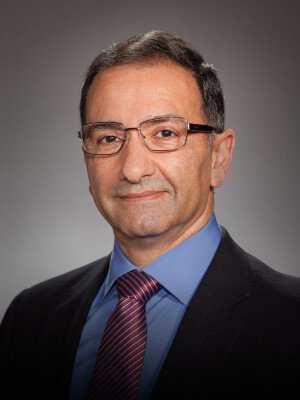
Dr. Ahmad Bahai
CTO, Texas Instruments | Massachusetts Institute of Technology
Dr. Ahmad Bahai is the Senior Vice President and Chief Technology Officer (CTO) at Texas Instruments, where he leads groundbreaking innovation, corporate research, and Kilby Labs.
He also serves as a Professor of the Practice at the Massachusetts Institute of Technology (MIT), is an IEEE Fellow, and served as a member of the Industrial Advisory Committee for the CHIPS Act. Previously, Dr. Bahai contributed to the President’s Council of Advisors on Science and Technology’s semiconductor working group. From 2017 to 2022, he was an Adjunct Professor at Stanford University and, from 2001 to 2010, a Professor in Residence at UC Berkeley.
Dr. Bahai’s technology leadership experience includes roles as Director of Research Labs and CTO at National Semiconductor, Technical Manager of a research group at Bell Laboratories, and Founder of Algorex, a communications and acoustic IC and systems company acquired by National Semiconductor.
He has authored over 80 publications in IEEE/IEE journals and holds more than 40 patents related to systems and circuits. Dr. Bahai earned a Master of Science in Electrical Engineering from Imperial College, University of London, and a Ph.D. in Electrical Engineering from the University of California, Berkeley.
Vaibhav Chhabra
Founder, Maker's Asylum
Vaibhav Chhabra is a Mechanical Engineer turned Carpenter and Educator. With a degree from Boston University, Vaibhav spent his early career at EyeNetra, a startup from MIT Media Labs, building portable Virtual Reality-based eye diagnostic devices. During his time in India for the eye diagnostic prototype, he recognized the need for accessible makerspaces and founded Makers Asylum in 2013 out of a small garage in Mumbai. Maker's Asylum is India's first community Makerspace in India, equipped with various co-located labs that facilitate prototyping of interdisciplinary ideas. The key focus of this space is to share the joy of making, empowering community members to develop critical thinking, problem-solving, and creative skills.
Through Makers Asylum, Vaibhav has been driving open innovation and hands-on education. He is also a visiting faculty at IDC - IIT Bombay, Judge school at Cambridge university, Advisor to the Museum of Solutions, Chair for Innovation and Entrepreneurship at Young Indians – Confederation of Indian Industries, a Global Shaper at the World Economic Forum, and a member of the French President's Young Leaders Club. These roles have allowed him to contribute to driving innovation, education, and community development globally.
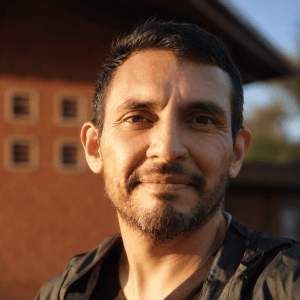
Beno Juarez
Explorer
Co-founder of FabLab Peru (fab.pe) , the Latin American Fab Labs Network (fab.lat) and REGEN (regen.now). He bridges ancestral knowledge and new technologies to co-create nature-positive solutions with Indigenous communities across the Amazon, advancing new models for regenerative economies.
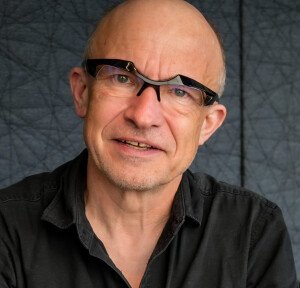
Peter Troxler
Professor – Future of Working
As a Research Professor at Rotterdam University of Applied Sciences (RUAS), I focus on exploring and shaping the 𝗙𝘂𝘁𝘂𝗿𝗲 𝗼𝗳 𝗪𝗼𝗿𝗸𝗶𝗻𝗴 from both digital and business perspectives. I lead research to identify how organizations can leverage modern digital technologies, such as AI-enabled decision support systems, digital twins for process optimization, and human-machine collaboration, to design work that:
- Safeguards and improves the quality of working life
- Ensures humane working conditions
- Effectively utilizes technological capabilities
With over 25 years of experience bridging technology and human factors, I investigate how to reshape organizational practices.
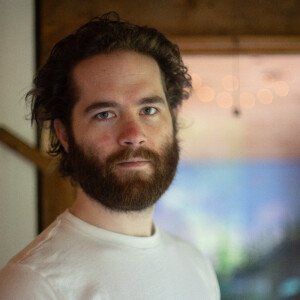
Jake Robert Read
Machine Control Researcher
A recent PhD graduate from MIT's Center for Bits and Atoms, Jake has developed new machine architectures and controllers that better connect machines to the physics that govern their operation.
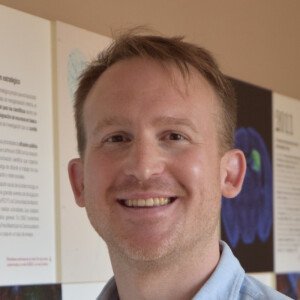
James Pelletier
Principal Investigator
James Pelletier is the Principal Investigator of the Minimal Cell Biophysics Group at the Spanish National Biotechnology Center (CNB-CSIC). Previously, as a PhD student at the MIT Center for Bits and Atoms and in collaboration with the J. Craig Venter Institute and the National Institute of Standards and Technology, Pelletier co-first authored the development of the genomically minimal cell JCVI-syn3A. With the smallest known genome among cells capable of autonomous growth and division, JCVI-syn3A provides a simplified model system to study core physiological processes and predictable platform for biotechnological applications. Currently, his team integrates in vivo, in vitro, and computational approaches based on quantitative physiology, biochemistry, and physics, toward an increasingly complete understanding of the cell. Pelletier earned a PhD in Physics from MIT, supported by the Fannie and John Hertz Foundation, an MPhil in Physics from the University of Cambridge, and an AB in Chemical and Physical Biology from Harvard College.

Steven Conine
Co-Founder, Co-Chairman Wayfair
Steve Conine is the co-founder and co-chairman of Wayfair, one of the world’s largest destinations for home furnishings, housewares, home improvement goods and more. Steve leads the many innovations that give Wayfair a technological edge in the online retail business - from the development of architecting software systems to leveraging next-generation technologies such as augmented reality and artificial intelligence.
Prior to co-founding Wayfair, Steve co-founded Spinners Incorporated, an IT services firm. Spinners provided custom application development services to Fortune 500 companies including AOL Time Warner, The New York Times, JP Morgan Chase, and Merrill Lynch. Steve was integral to the development of all technology solutions that Spinners created. He led Spinners to revenue and net income growth of 300% per year while maintaining a 30% net income margin. In 1998, Spinners was sold to iXL, a publicly traded global technology consulting firm.
Today, Steve is a member of the Board of Directors at CarGurus, a leading global online automotive marketplace. Steve graduated from Cornell University with a B.S. in Mechanical Engineering.
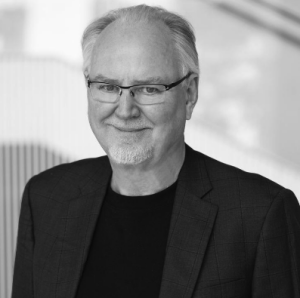
Kent Larson
Architect, Professor of the Practice
Kent Larson is an architect, MIT Professor of the Practice, director of City Science at the MIT Media Lab, and co-director of the Norman Foster Institute on Sustainable Cities based in Madrid. His research is focused on urban and architectural design, urban modeling and simulation, transformable micro-housing, living laboratories, ultralight autonomous mobility, and algorithmic dynamic zoning. Larson received 10-Year Impact Awards from Ubicomp in 2017 and 2019 for recognition of work that, with the test of time, has had the greatest impact.
Larson and his team have established the City Science Network of ten affiliated City Science Labs in Shanghai, Taipei, Toronto, Hamburg, Guadalajara, Andorra, San Sebastian (Spain), Concepcion (Chile), and Beersheba (Israel). The City Science Group's work has recently been presented at the Guggenheim Museum in Bilbao, the Venice Biennale of Architecture, the Cooper Hewitt Smithsonian Design Museum in New York City, and the Museum of Science in Boston. He has given over 100 invited keynote talks and delivered a TED talk with 1.3 million views.
Larson practiced architecture for 15 years in New York City, with design work published in Architectural Record, Progressive Architecture, Global Architecture, The New York Times, A+U, and Architectural Digest. The New York Times Review of Books selected his book, Louis I. Kahn: Unbuilt Masterworks, as one of the Ten Best Books in Architecture 2000. He founded multiple MIT Media Lab spin-off companies, including ORI Living, which commercializes architectural robotic systems for compact transformable housing, and the consulting firm L3cities, which is focused primarily on large-scale urban projects in Asia and the Middle East.
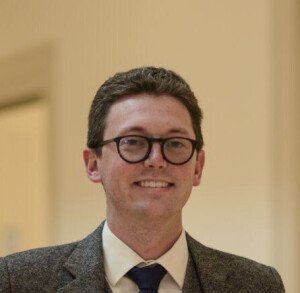
Jared Katz
Pappalardo Curator of Musical Instruments
Jared Katz is the Pappalardo Curator of Musical Instruments at the Museum of Fine Arts, Boston. Katz completed his PhD in Anthropology at the University of California, Riverside, where his research focused on ancient Maya musical practices, a topic on which he has published and lectured widely. He went on to serve as a Postdoctoral Curatorial Fellow and then as a Consulting Curator at the Denver Art Museum, where he curated the exhibition Rhythm and Ritual: Music of the Ancient Americas and where he assisted with the reinstallation of the Art of the Ancient Americas permanent collection galleries. He then went on to serve as Assistant Professor of the Practice and Associate Curator at the University of Notre Dame, where he was a key team member in designing and installing the inaugural installation of the newly constructed Raclin Murphy Museum of Art. For his research, Katz developed a technique to 3D scan, model, and print playable replicas of ancient musical instruments. He served as a collaborator on Clarissa Tossin's film Mojo’q che b’ixan ri ixkanulab’/Antes de que los volcanes canten/Before the Volcanoes Sing, which used 3D-printed playable ancient Maya instruments in its soundtrack. This piece was highlighted in the 2024 Whitney Biennial Exhibition.
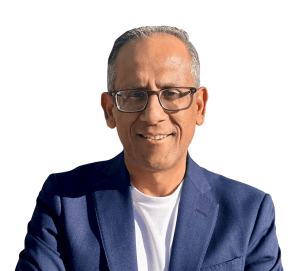
Suchit jain
Vice President of Strategy & Business Development
Suchit Jain is Vice President of Strategy & Business Development at Dassault Systèmes, where he leads strategic initiatives shaping the future of SOLIDWORKS across AI, cloud, business strategy, and go-to-market. He also leads Global User Advocacy & Engagement, supporting one of the world's largest engineering communities.
An angel investor, startup advisor, and a16z Speedrun Insider, Suchit collaborates with organizations including MassRobotics, MassChallenge, Greentown Labs, MIT's Center for Bits & Atoms, and the Fab Foundation. Passionate about connecting startups, industry, and academia, he mentors founders, champions engineering education, and regularly speaks on artificial intelligence, engineering innovation, product development, and the future of engineering.
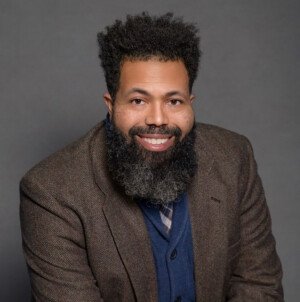
Rodney Williams
Director of STEM Outreach
As Director of STEM Outreach for the Fab Foundation, Dr. Rodney Williams oversees and implements educational and workforce development projects across the United States and select international markets. Serving as the architect of key stakeholder relationships, he forges strategic partnerships with public, corporate, and private entities to drive the relevance and global impact of the Foundation's initiatives. Dr. Williams brings a hands-on approach to leadership, collaborating closely with a dynamic ecosystem of stakeholders to execute programs that transcend geographical and educational boundaries. For Dr. Williams, advancing the future of STEAM education is not merely a professional responsibility, but a deeply personal mission.

Elaine Regina
Design & Innovation Lead
Elaine is a Design & Innovation Lead at Fab Lab Bali, working at the intersection of participatory design, community fabrication, and applied research. Her work focuses on making technical tools and knowledge accessible to communities who wouldn't otherwise encounter them — bridging the gap between innovation and the people it's meant to serve.
Elaine leads and designs programs that combine hands-on making with community co-creation, embedding fabrication into local governance structures, cultural practices, and everyday life. Her projects span locally-contextualised energy transition prototyping, future skills education, product R&D for SMEs, and grassroots innovation — always with the question of how technology can be made legible, adoptable, and genuinely useful at the community level.

Joseph Henry
Chief of Arts & Culture, Cty of Boston
Joseph Zeal-Henry is a designer, curator and public servant currently serving as Chief of Arts and Culture at the City of Boston and is an assistant professor at Columbia GSAPP. He has written for Tank Magazine, Dezeen and Casabella. Joseph was selected as the 2024 Artlab/Loeb Fellow at Harvard University GSD.
In 2022, the British Council selected Joseph to co-curate the British Pavilion at the Venice Architecture Biennale 2023. The pavilion, 'Dancing Before the Moon,' explores the need for architecture to look beyond buildings and economic structures and towards everyday social practices.
Joseph worked for the Mayor of London in the Culture & Creative Industries Unit, delivering new cultural infrastructure for London. Joseph worked on the New London Museum, East Bank and the Thames Estuary Production Corridor. In 2019 co-founded the social enterprise platform Sound Advice to explore new forms of spatial practice through music. In 2020, they published the book NOW YOU KNOW.
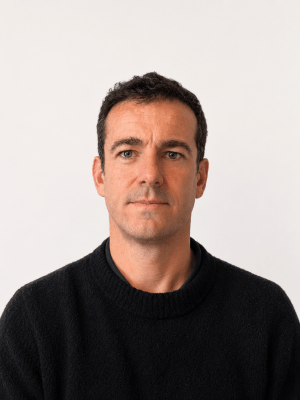
Tomas Vivanco
Tomás is an Assistant Professor at the School of Design, Pontificia Universidad Católica de Chile. His research focuses on design for sustainability, low energy materials, and distributed production systems, exploring how local innovation can address global environmental and social challenges.
Within the Fab City network, he develops applied research projects and methodologies connecting digital technologies, new materials, communities and ecosystems for urban and territorial development.
As the founder of Fab Lab Austral UC in Puerto Williams, Chile, one of the southernmost fabrication laboratories in the world, he bridges research and practice, exploring how digital fabrication and material innovation can support more resilient and sustainable cities and territories.
He collaborates with international institutions contributing to new models of localized, connected production. Tomás is the founder of Fab Lab Austral UC, one of the southernmost fabrication laboratories in the world, and has over 15 years of experience in the global Fab Lab Network.
His work has been recognized in international conferences and academic platforms, highlighting his contributions to design innovation, sustainability, and the future of production systems.
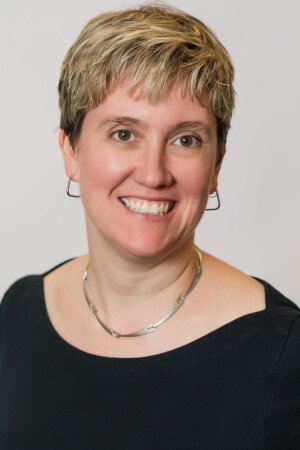
Kristin Size
Kristin is a product development leader with more than 25 years of experience across a range of industries, including medical devices, robotics, consumer electronics and, most recently, toys. A mechanical engineer by training, she has been an engineer, a product manager, and a technical project manager at various times across her career. Currently Kristin is the Director of Systems Engineering for the Creative Play Lab within the LEGO Group where she is helping to develop the next generation of play. Kristin has more than 25 patents to her name and was named Emerging Technology Leader for Women in Toys in 2025. Her personal interests include travel, crafting and always learning new things.

Patrick Chwalek
Founder & Conservation Technologist, New Lens Labs
Patrick Chwalek is an engineer, researcher, and founder of New Lens Labs, where he designs and deploys multi-modal sensing systems that generate new insights into animal and human life. He holds a Ph.D. from the MIT Media Lab, along with degrees in Mechanical Engineering and Computer Science, and works across embedded hardware, software, and mechanical design.
His primary focus is wildlife conservation technology, building field-ready platforms that address critical bottlenecks in ecological monitoring, often in collaboration with the National Geographic Society. He architected BuzzCam, an end-to-end pipeline for on-device AI classification of endangered and invasive bee species, honored as a Fast Company World Changing Idea in 2025 and deployed with National Geographic Explorers in Patagonia. He also engineered CollarID, a versatile, low-power biologging platform that provides a holistic understanding of wildlife behavior beyond location-only data. He is currently deploying and validating these systems on diverse wildlife, including lions, hyenas, horses, and dogs.
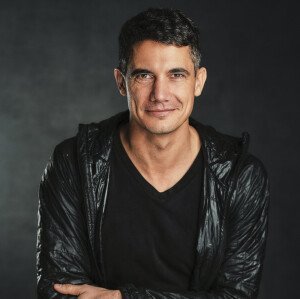
Leo Trottier
Founder and CEO
Leo Trottier is a cognitive scientist, software engineer, product designer, and entrepreneur. He is the founder and CEO of FluentPet, a science- and mission-driven company with over 250,000 customers that builds tools and a community for catalyzing two-way communication between humans and their animal companions. In 2026, he launched the Massive Interspecies Communication Observatory, a non-profit with the goal of assembling data from households and their non-human animals in order to make new animal communication datasets available to researchers around the world. Leo's work has been featured by the BBC, on CNN, in The Wall Street Journal, and in The New York Times, among other outlets. Leo is an alumnus of Stanford's StartX, San Diego's EvoNexus, and the Qualcomm Robotics Accelerator. He has degrees in cognitive science from the University of Toronto and UC San Diego and started CleverPet while a Ph.D. candidate at UCSD.

Amanda Hilligas
Vice President
Amanda Hilligas serves as Vice President of the Caterpillar Foundation and leads Corporate Social Responsibility (CSR) Strategy at Caterpillar Inc. With over 20 years of experience across the public, private, and nonprofit sectors, Amanda has built a career advancing sustainability, renewable energy, and philanthropic investment strategies. Her leadership spans executive roles at organizations such as Winrock International, Carana Corporation, ACDI/VOCA, and GreenGas USA, where she focused on circular economy and clean energy solutions.
Amanda is known for designing and scaling initiatives that blend corporate resources, philanthropic capital, and local expertise to drive meaningful community impact. Her work has supported global efforts in community development, ecosystem stewardship, STEM education, workforce readiness, and disaster recovery—across Africa, Asia, Europe, and North America. She has also played a key role in strengthening infrastructure, expanding agricultural exports, and promoting economic resilience.
With a strategic mindset and a commitment to measurable outcomes, Amanda integrates modern data systems and technology—including AI—to align social impact with business goals.
Amanda lives in Washington, DC with her husband Jay and their two children. Outside of work, she enjoys volunteering with local organizations and staying connected to her community.
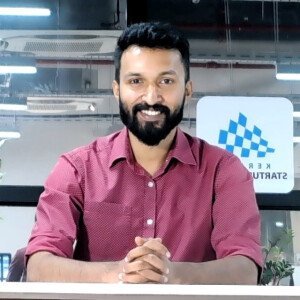
Tom Thomas
Head, FabLab Kerala
Tom Thomas heads Fab Lab Kerala and was the driving force behind establishing the Super Lab in Kochi city in 2020. He has since played a central role in scaling up the lab’s operations and converting it into a popular tool for the local startups, creators and educators.
Over the past two years, Tom and his team have supported 600 startups and MSMEs with digital fabrication services, in turn making the lab operationally self sustainable. Last year he initiated a Creator Fellowship program that helps traditional artists integrate fab labs into their creative workflows. The exhibitions put together by these creators in the lab attracted tens of thousands of visitors. His team also set up 98 maker labs in underprivileged schools in India and continues working with teachers and students to advance the role such labs can play in STEM education.
Tom holds a postgraduate degree from the Indian Institute of Management Kozhikode and currently serves as the COO of Kerala Startup Mission, the State Government agency responsible for managing Kerala's startup investments and shaping startup-friendly policy.

Dimitris Bertsimas
Vice Provost for Open Learning, MIT
Dimitris Bertsimas is the Vice Provost for Open Learning at MIT, the Associate Dean of Online Education & Artificial Intelligence, the Boeing Leaders for Global Operations Professor of Management, and a Professor of Operations Research at MIT Sloan School of Management.
In 2013, he founded MIT’s Master of Business Analytics program, now ranked #1 worldwide since its launch and drawing more than 1,000 applications each year for just 80 positions. A prolific scholar, he has coauthored eight books and over 350 scientific papers. To date, he has supervised 109 doctoral theses and is currently advising 20 more—mentorship he considers his greatest professional achievement.
Alongside his academic work, Dimitris is a successful entrepreneur. He has co-founded 10 analytics companies across healthcare, financial services, and consulting, and founded Dynamic Ideas Press, a publisher of scientific books.
His research and impact have been recognized with many of the field’s highest honors. Among them are the James R. Killian Jr. Faculty Achievement Award at MIT, the Harold Larnder Prize, the SIAM Prize in Optimization, and the Bodossaki Prize. From INFORMS, he received both the John von Neumann Theory Prize and the President’s Award in 2019, followed by the Frederick W. Lanchester Prize in 2021. He is also a member of the National Academy of Engineering and an INFORMS Fellow.
Dimitris’ dedication to education has been honored with the Jamieson and Samuel M. Seegal Prizes. He holds a BS from the National Technical University of Athens and both an MS in Operations Research and a PhD in Applied Mathematics and Operations Research from MIT.
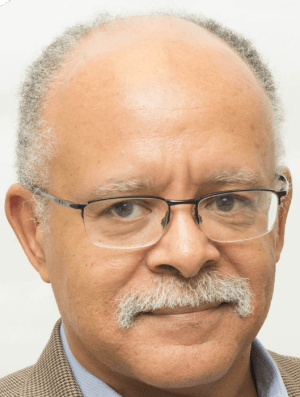
Blair Evans
Board Member
Blair Evans is Founder and Director of Incite Focus, a production and training lab focused on relationships between: Digital Fabrication, Permaculture, Experiential Learning, and Appropriate Technology. Blair is committed to engaging people in understanding their own ability to live a well-lived life. Issues of self-determination, self-sufficiency, and self-sustainability reflect in his work at Incite Focus.
Blair believes in the philosophy, “Work and spend less; create and connect more.” Blair promotes a greater sense of individual autonomy by developing community member capacity to make the things that they and their communities need; instead of depending upon external resources. Blair empowers community members to create the conditions of change and to make system-level changes which will prepare individuals to operate within a system of individual and group agency.
Blair's experience includes curriculum development in direct and advisory roles for K-12, college and professional development. Blair worked as a principal agent in designing, starting and training for over half a dozen Fab Labs and with many more collaborations. Since 2012, Blair is an instructor in Fab Academy. He also instructs a registered apprenticeship program based on Digital Fabrication.
His early career evolved from product designer, team leader, and group leader at Hewlett Packard and technology-based SMEs, to technical co-founder and VP of Engineering of MicroTouch Systems from start-up through public offering on NASDAQ. He has early inventions in touchscreen technologies.
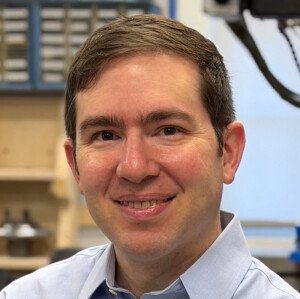
Ilan Moyer
Tool Researcher
Ilan Moyer is re-imagining the design of digital fabrication and manufacturing tools from the perspective of “usable-by-all” to foster greater enjoyment, innovation and productivity across society. His research explores how new approaches to machine architectures, control systems, and interfaces can enable more fundamentally usable machine tool form factors and interactions. In his early work, Ilan developed several high-performance positioning mechanisms now widely used in desktop 3D printing. He was the first to introduce the crossed-bar mechanism to 3D printing, which was adopted by UltiMaker, and he independently devised and published online the CoreXY mechanism as an open-source contribution, now used by Prusa, Bambu Labs, and others. In 2013, Ilan co-founded the digital power tool company Shaper Tools, Inc. (acquired by TTS Tooltechnic Systems), where he led R&D for ten years, including mechanical design for the world’s first handheld CNC router, “Shaper Origin.” Since returning to MIT in 2024 to complete his PhD, Ilan has created an MIT course on “Tool Design,” and his scholarly work has been published in leading venues where it has received multiple Best Paper awards.
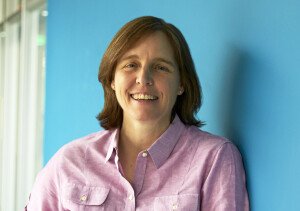
Megan Smith
Entrepreneur, Engineer, CEO shift7, Former U.S. CTO, MIT Corporation and NAE Member
Megan Smith is an entrepreneur, engineer, and tech leader - engaging and institutionalizing tech-forward, collaborative approaches to systemic social, environmental, and economic challenges as board member/advisor MIT, Vital Voices, Algorithmic Justice League, Earth Conservation Corp, PlanetRead, LA28 Olympics, IndigiGenious, ROOST, CfR, National Academy of Engineering, and CEO & founder of shift7. Smith served as the 3rd United States Chief Technology Officer (U.S. CTO) and Assistant to the President from 2014-2017. In this role, her team worked on issues ranging from AI and data science to economic inclusion, workforce development, open source, government innovation, and criminal justice reform. She co-created national initiatives such as TechHire, Computer Science for All, The Opportunity Project, AI town halls, Image of STEM, Tech Policy Task Force, and civic tech expansion, promoting cross-sector collaboration and broad capacity-building.
Earlier, Smith was a Google VP for 11 years leading new business development where she managed early-stage partnerships, pilot explorations, and technology licensing across the global engineering and product teams and led acquisitions of Google Earth, Maps, Picasa; during tenure as GM of Google.org launched Google Crisis Response, GoogleforNonProfits, Earth Outreach, Earth Engine; and co-founded WomenTechmakers, Solve for X. She was PlanetOut CEO (an online LGBTQ community and digital media company in the early days of the Internet), at General Magic working on early smart phones, and Apple Japan. Smith is co-founder of the Malala Fund and the UN Solutions Summit. MIT Mechanical Engineering B.S., M.S., completed masters thesis on haptics at the MIT Media Lab, co-founded the MIT solar car team–raced 2,000 miles across the Australian outback in the inaugural World Solar Challenge. Co-created FabAll-In with colleagues from every continent in our Fab Lab global network.
LinkedIn https://www.linkedin.com/in/msmith21/
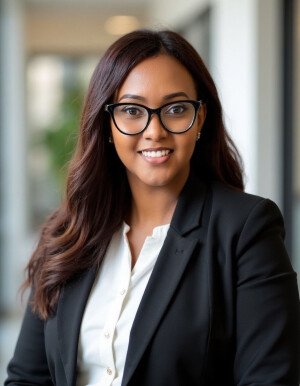
Suzanne Uwabera
MICE SALES MANAGER
Suzanne Uwabera is a MICE (Meetings, Incentives, Conferences and Exhibitions) Sales Manager in the Destination Marketing Department at the Rwanda Convention Bureau, where she leads international conference bidding, destination marketing, and government-industry coordination for business events hosted in Rwanda. She has spearheaded Rwanda's bid for the Global Fab Lab Conference 2028 (FAB28), in partnership with the Rwanda ICT Chamber and Internet of Production Alliance.
Suzanne brings a rare mix of relationship-building, cross-cultural fluency, and follow-through to every bid and partnership she leads. Earlier this year, she led Rwanda's delegation at IMEX Frankfurt 2026, engaging over 3,500 global decision-makers and converting relationships into long-term commercial partnerships. She was also lead coordinator for the UCI World Championships 2025 at BK Arena — the first time the event came to Africa. Her career spans international finance across Paris and East Africa, with roles at HSBC, BNP Paribas, Société Générale, and Ecobank, giving her a sharp commercial instinct alongside her destination marketing expertise.
Beyond her work at the Bureau, Suzanne is an advocate for children and women, and the founder of Kidspedia, an education-focused initiative supporting children in Kigali. She also holds a BBA from the University of Gloucestershire, serves on the boards of EFASE (French Education Abroad, Rwanda), the HR Management Association Rwanda, and the European Business Chamber of Rwanda, and is an IAF-certified facilitator. An avid long-distance runner, she has completed endurance races including a 21km half-marathon in Paris and races in Rwanda — bringing the same discipline and endurance to her professional pursuits.

Jacqueline Karaaslanian
Co-Founder Fab Lab Armenia
Jacqueline Karaaslanian is the Co-Founder of Learning Learning Architects.com
Content Strategist and Collaboration Specialist. She is a co-founder and Board Member of Fab Lab Armenia, Education Foundation
She crafts teams of highly proficient competencies to go from idea to action for maximum impact. An inspiring leader, expert collaborator, and creative problem-solver, Jacqueline’s clients and collaborators have included Schlumberger and its SEED program; Le Cube, the first Digital Art Center in Europe; Harvard Graduate School of Architecture and Design along with INVIVIA Studio; the Lego Foundation; and Ministries of Education and Development from France, Senegal, Brazil, Colombia, Mexico and Armenia to name a few.
During her 25-year experience as Director of Special Projects and research group manager at the MIT Media Lab from 1985 to 2009, she gained an exceptional ability to sharpen emerging concepts and implement learning-by-doing approaches around the globe, alongside change-makers such as the late Professor Seymour Papert, one of the Founding Fathers of artificial intelligence and pioneer in bringing technology and computer programming languages into education.
As Founding Executive Director of the Luys Education Foundation from 2009 to 2018, Jacqueline created and implemented visionary education programs that supported the
Today, Jacqueline continues her work in education and collaborative problem solving through Learning.Learning.Architects.com, a consultancy firm that works with individuals, public/private companies and government agencies worldwide to design emergent solutions. She is a Co-Founding Board Member of the Fab Lab Armenia Education Foundation that seeds and develops digital manufacturing education in Armenia and the region.
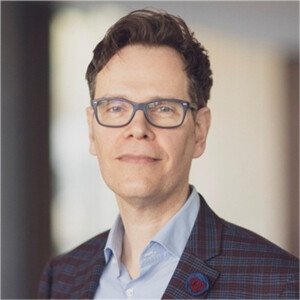
Glen Harris
Global Program Manager
Glen’s career spans more than 25 years with experience advancing higher education, humanitarian and philanthropic programs. He has led multi-million-dollar initiatives that align strategic priorities and philanthropic support to drive community impact, advancing initiatives that strengthen community resilience, STEM education and brighter futures for individuals. While in his role as Global Program Manager at the Caterpillar Foundation, the philanthropic arm of Caterpillar Inc., the Foundation surpassed $1 billion in global giving since its founding, with nearly half of that giving occurring during his tenure.
Professor Johnson Witehira
Head of School, College of Creative Arts
Professor Johnson Witehira hails from the iwi of Tamahaki, Ngāi Tū-te-auru, and Ngāti Hinekura. He earned his Doctorate in Fine Arts from Massey University in 2013, with a thesis titled "Tārai Kōrero Toi: Articulating a Māori Design Language," which laid the foundation for his career at the intersection of indigenous knowledge and contemporary design practices.
Professional Practice
Johnson's work is characterized by the seamless integration of Mātauranga Māori—traditional Māori knowledge—into modern creative technologies. His multidisciplinary approach spans visual arts, design, game development, and storytelling, all aimed at decolonizing and indigenizing design and digital media.
Notable Projects and Exhibitions
Knowledge Flows (2022): An exhibition curated by Julie Nagam for Nuit Blanche in Toronto, Canada, where Johnson's work was showcased at Dundas Square, reflecting the dynamic nature of knowledge transmission within indigenous communities.
Māori-land Adventures (2021): Featured in the "Every Artist" exhibition at Wellington City Gallery, curated by Aaron Lister, this project explored narratives of Māori identity and experience through contemporary art forms.
Disrupted Symmetries (2019): Part of the "HERE: Kupe to Cook" exhibition at Pātaka Gallery in Porirua, New Zealand, curated by Reuben Friend, this work interrogated historical and contemporary perspectives on exploration and colonization.
Ngā Tamariki a Tangaroa (2018): A multimedia public artwork created for Auckland International Airport, this six-minute digital piece celebrated the children of Tangaroa, the Māori god of the sea, emphasizing the deep connection between Māori culture and the ocean

Mark Graham
Director, Wayback Machine, Internet Archive
Mark Graham is director of the Wayback Machine at the Internet Archive, where he works to help make the Web more useful and reliable by archiving and making available hundreds of millions of Web pages every day (more than 1 Trillion archived web pages to date).
Previously, Mark was senior vice president with NBC News Digital where he managed several business units including Stringwire, a live mobile video platform for collaborative citizen reporting. Mark also served as senior vice president of technology at iVillage, The Women’s Network and cofounded Rojo Networks, one of the first large-scale feed aggregators and personalized blog readers. In the early days of the internet Mark led The WELL’s effort to build the first web-based interface for online forums. He also helped bring the pre-web internet to millions of people by creating and running AOL's Internet Center. Additionally, Mark managed technology for the pioneering US-Soviet Sovam Teleport email service and cofounded and lead PeaceNet, one of the first online communities for progressive social change, and later the Institute for Global Communications, IGC.org, one of the world’s first ISPs. He also cofounded the global NGO, Association for Progressive Communications, APC.org.
Mark was introduced to computer-mediated communications while he served in the U.S. Air Force, spending more than three years working at the Air Force Data Services Center at the Pentagon. While still in uniform, Mark cofounded the Washington DC Campaign for a Nuclear Weapons Freeze, and later compiled a list of peace groups that was published as the Peace Resource Book while helping to run a nationwide PR and organizing campaign for the movie The Day After.

Yael Maguire
VP and GM, Google Maps Platform and Google Earth
Yael Maguire is VP/GM, Google Maps Platform & Google Earth. In this role, he’s responsible for leading a portfolio of geospatial products that help developers, enterprises, and cities make sustainable decisions and build powerful experiences with Google’s AI and mapping data. His team also brings sustainability features like fuel-efficient routing and air quality insights to Google Maps, which is used by more than a billion people every month.
Previously, Yael was VP of Engineering at Meta and founded Facebook's Connectivity Lab, the technology and product team that became Meta Connectivity. Before that, Yael co-founded Plum Labs, an early stage mobile innovation lab, and ThingMagic, a market leader in bringing long-range RFID readers to the global market. Yael completed his PhD at the MIT Media Laboratory in the area of near-field electromagnetic measurement through his invention of a new type of NMR geometry for molecular detection using NMR. He also holds a master's in Media Arts and Sciences from MIT, and an undergraduate degree in Engineering Physics from Queen's University, Canada. Yael is a named inventor on 82 patents.
Wesley Harris
Vice President, NAE
Wesley L. Harris began his tenure as NAE vice president in July 2022 and has just started his second term (2026-2030). He is the Charles Stark Draper Professor of Aeronautics and Astronautics at MIT, where he was previously head of the Aeronautics and Astronautics
Department. During his distinguished career, Harris has served as associate administrator for aeronautics at NASA, vice president and chief administrative officer at the University of Tennessee Space Institute, and dean of the School of Engineering and professor of mechanical engineering at the University of Connecticut. Harris was elected to the NAE in 1995 and has served as chair and member of numerous boards and committees of
the NAE, NRC, NSF, US Army Science Board, USRA, and several state governments as well as the AIAA, AHS, and NTA. Harris earned a BS in aerospace engineering from the University of Virginia and a PhD in aerospace and mechanical sciences from Princeton University.
Prashant Patil
Founder and CEO of Micromize, Inc
Prashant Patil, Ph.D., is an entrepreneur, inventor, and microfabrication expert with more than 15 years of technical and leadership experience in semiconductor manufacturing. He is the founder and CEO of Micromize, where he leads efforts to develop scalable, cost-effective technologies for next-generation semiconductor manufacturing and bring innovations from the laboratory to high-volume production.
Dr. Patil has dedicated his career to developing and commercializing groundbreaking, environmentally sustainable microfabrication processes. Previously, he co-founded Atomic Machines and served as its chief technology officer. He earned his Ph.D. and master’s degree in microfabrication from the Massachusetts Institute of Technology (MIT) and holds a bachelor’s degree in engineering physics and nanoscience from the Indian Institute of Technology Bombay (IIT Bombay). He holds four patents and has authored several peer-reviewed journal articles.
Dr. Patil has been recognized for his contributions to technology and innovation. He is a member of the Forbes Technology Council. His work was also recognized in Fast Company’s 2021 World Changing Ideas Awards, and he has been featured on National Public Radio (NPR).
Johnson Witehira
Professor
Dr Johnson Witehira is a Māori designer, researcher and educator whose work asks a simple question: what happens when Indigenous worldviews become a driver of technological innovation, rather than simply adapting to technologies developed elsewhere?
Working at the intersection of Indigenous knowledge, artificial intelligence and digital fabrication, Johnson explores new models of making that bring together traditional knowledge with contemporary technologies. His research spans AI, Indigenous data sovereignty, computational creativity and the design of technologies that strengthen relationships between people, culture and place.
As Head of School for Te Rewa o Puanga, the School of Music and Screen Arts at Massey University, Johnson leads interdisciplinary programmes spanning design, screen production, game development and emerging creative technologies. Alongside his academic leadership, he maintains an active practice across typography, public art, wearable health technologies and AI.
His work has received national and international recognition across graphic, product and industrial design, while his public artworks contribute to major civic infrastructure throughout Aotearoa.
For Johnson, fabrication is about far more than machines. It is a way of thinking, learning and building relationships. Whether designing typefaces, creating public artworks, developing AI systems or prototyping new technologies, making becomes a process through which communities imagine and build new futures together.
Johnson believes the future of fabrication will not be defined by better machines, but by better relationships between people, culture and technology. At FAB28, he looks forward to exploring how Indigenous knowledge, digital fabrication and open technologies can come together to shape more socially grounded, culturally responsive and globally connected futures.

Joshua Smith
Neil's first student; Now Professor of CSE and ECE at University of Washington
Working with Neil as his first grad student, Josh helped develop Electric Field Sensing, now known as mutual capacitance sensing. Their work led to a smart airbag system that disabled airbag firing to prevent unsafe deployment. As a Professor at UW, he leads the Sensor Systems lab, which is developing wireless power, ultra-low power communication, energy harvesting, and robotics.

Pat Pataranutaporn
MIT Professor, Founding Director of the Cyborg Psychology research group & Co-director of the MIT Media Lab’s Advancing Humans with AI (AHA) research program
Pat Pataranutaporn, PhD is an assistant professor, technologist, and researcher at the Massachusetts Institute of Technology (MIT), where he is the founding director of the Cyborg Psychology research group. He also serves as co-director of the MIT Media Lab Advancing Humans with AI (AHA) Research Program.
His research lies at the intersection of AI and human-computer interaction, where he focuses on inventing, investigating, and inspiring next-generation human-AI systems for human flourishing, applying insights from human psychology to AI and understanding how AI impacts human psychology.
His research has been translated into real-world impact, ranging from Future You, a widely adopted AI digital twin for supporting long-term thinking that has been used in over 100 countries worldwide, to research that has shaped legislation protecting children from companion AI, and leading efforts to develop the first open benchmark for the human impact of AI in collaboration with leaders across academia, industry, and government. He also serves as an advisor to the Psychology of Technology Institute and Partnership on AI.
As founding director of the Cyborg Psychology research group at the MIT Media Lab, he leads a team of interdisciplinary researchers to develop and study how AI can both augment and diminish human learning, decision-making, critical thinking, creativity, and other critical dimensions of human experience. His group is among the first to investigate emerging phenomena through empirical studies examining how AI reshapes cognition, emotion, and behavior, from emotional dependence on AI companions and cognitive manipulation to false memory implantation, placebo effects of human-AI interaction, and the co-evolution of human and machine intelligence.

Jason Krugman
Light Sculptor
Jason Krugman (American b.1983) is an artist and inventor who develops new systems for minimally arranging electricity and light in three dimensions. Taking inspiration from living structures, Krugman focuses on the fundamental problem of distributing energy through branching structures and meshes. In his work, organic gestures manifest through illuminated arrays, balancing exactitude and mass production with choreographed and flowing gestures. Excess materials and weight are jettisoned in favor of ever expanding meshes of lights.
Artists
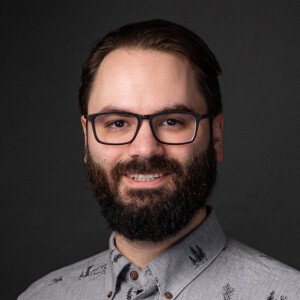
Mark Rau
Assistant Professor, Music Technology, MIT
Mark Rau is an Assistant Professor of Music Technology at MIT, holding a shared appointment between Music & Theater Arts Section and Electrical Engineering and Computer Science. He recently completed his Ph.D. at Stanford’s Center for Computer Research in Music and Acoustics (CCRMA). He also holds an M.A. in Music, Science, and Technology from Stanford, as well as a B.Sci. in Physics and B.Mus. in Jazz from McGill University.
Mark is interested in the fields of musical acoustics, vibration and acoustic measurement, audio signal processing, and physical modeling synthesis, among other areas. As a lifelong guitarist, his research tends to focus on anything that involves guitars or audio effects often used with guitars. These interests—combined with a passion for physical design and making—have led to an interest in luthiery, which in turn helps guide Mark’s research in musical instrument acoustics, measurement, and modeling.
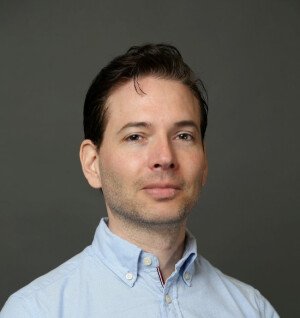
Dr. Benjamin Sabatini
Researcher in Materials Science and Archaeological Materials Research at MIT
Dr. Sabatini is a Senior Postdoctoral Associate in the Department of Materials Science and Engineering at the Massachusetts Institute of Technology. His research focuses broadly on materials science and analysis, specifically in the fields of metallurgy and archaeometry, and includes innovative work using CT scanning to study ancient and historical metallurgical processes and musical instruments. His recent work includes the digital documentation and reproduction of ancient and historical instruments in various materials.
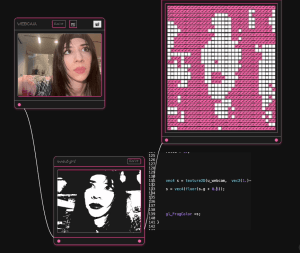
Char Stiles
Design Engineer
Char Stiles is a computational artist, educator, and researcher. She works creatively in the lower levels of graphical computational systems & makes jokes about how computers work.
She recently graduated from MIT Media Lab's Future Sketches group researching the future of creative coding in performance. She is a part of the Livecode.nyc collective & she co-founded Hex House, a maker and event space in Brooklyn. She currently is doing a residency at IQM through Parq on quantum computing and music.

Manaswi Mishra
PhD (MIT Media Lab) / Aritst (Google Magenta)
Manaswi Mishra is a sound artist, PhD researcher in the Opera of the Future research group at the MIT Media Lab, and a Student Researcher at Google Deep Mind. His research explores strategies and frameworks for a new creative age of composing, performing and learning music using A.I., centered around bespoke human and cultural intent. Manaswi’s research on creating novel A.I. musical instruments can be seen in the development and performance of operas like VALIS (2023), FLOW Symphony (2024), AI-Sitar Jugalbandi (2025), The Boston Symphony Orchestra (premiering in October, 2026) and exhibitions across the world. In addition, his work on ethical A.I. Music performance and copyright law has been published in the MIT Press, Harvard Tech Review, Washington Post, Boston Globe, Copyright Society panels etc. Manaswi is one of the founding instigators of the Music Technology Community India - organizing conferences, curriculum and community events focused on the Indian arts and technological context.
Tickets
Kids tickets
Attending FAB26 with younger ones? We offer discounted family packages that combine a Full Week Adult Pass with one Kid Lab Pass:
- 1 Adult Week Pass + 1 Kid Lab Pass — Save $280
This package is designed to make it easier for families to experience FAB26 together while children participate in the dedicated Kid Lab program. Limited availability applies.
Discounts available when purchasing with an adult "weekly pass". If you already purchased a weekly pass, contact us for a discount link.
-
Supervised Workshops by MIT Museum & Global Kids
-
Age: 9-18 years (divided into two groups: 9-12 and 13-18)
-
Location: Gambrill Center, 314 Main St, Cambridge, MA (MIT Museum)
-
Capacity: 50 participants
-
Standard price for 1 Kid
Discounts available when purchasing with an adult "weekly pass". If you already purchased a weekly pass, contact us for a discount link.
Hosted by




Diamond Partner

Gold Partner

Silver Partners



Bronze Partners


Community Partners


Media Partners



Supporters